Tax season is one of the most important and stressful times of the year for ecommerce business owners. As online sales continue to grow across platforms like Shopify, Amazon, Walmart, and Etsy, tax reporting requirements are becoming more complex. One mistake on your 2026 tax return can result in penalties, audits, delayed refunds, or unexpected tax bills.
If you run an online store, understanding how ecommerce tax filing works in 2026 is essential for protecting your profits and staying compliant.
In this complete guide, you will learn how ecommerce taxes work, what documents you need, how to prepare your business, and how to file correctly for the 2026 tax year.
Why 2026 Tax Filing Is More Important Than Ever for Online Sellers
Ecommerce businesses now operate under stricter IRS reporting rules, expanded state tax enforcement, and increased marketplace reporting requirements. Government agencies have more access to seller data than ever before.
In 2026, online sellers must manage:
- Federal income tax
- State income tax
- Sales tax compliance
- Marketplace reporting forms
- Self-employment tax
- Payroll tax (if applicable)
Proper tax filing is no longer just about avoiding penalties. It is about building a financially healthy business.
Understanding Ecommerce Business Tax Responsibilities
Every ecommerce business is responsible for reporting its income accurately.
Your tax obligations depend on:
- Business structure
- Revenue level
- State location
- Sales channels
- International sales activity
Common Business Structures
Most online sellers operate as:
- Sole proprietors
- LLCs
- S Corporations
- Partnerships
Each structure has different filing requirements and tax advantages.
What Tax Forms Ecommerce Sellers Must File in 2026
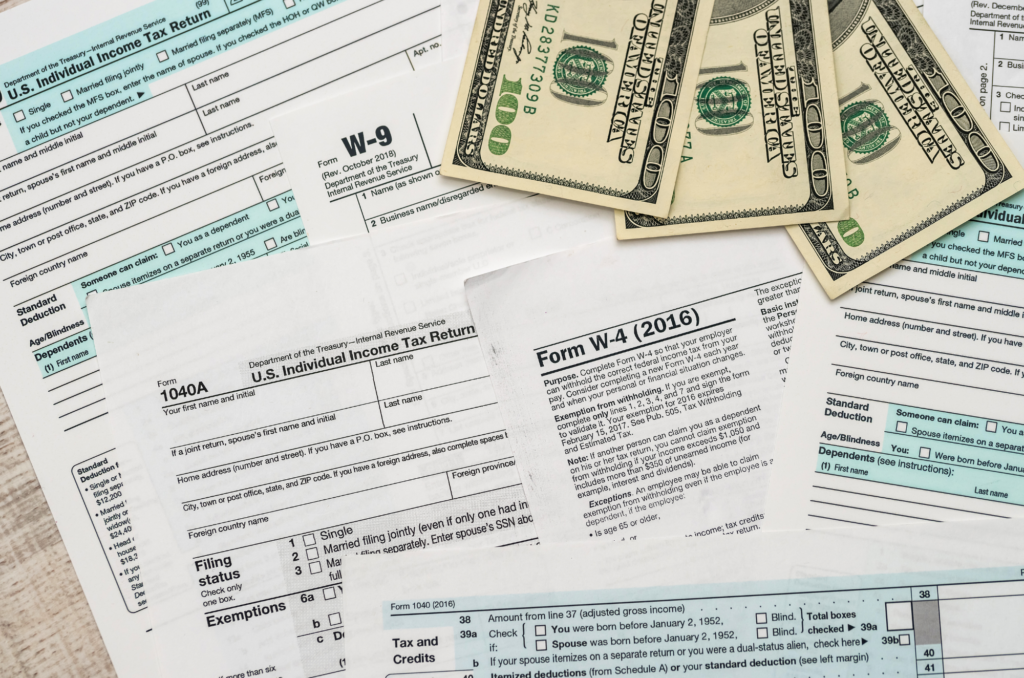
Federal Tax Forms
Depending on your structure, you may file:
- Schedule C (sole proprietors)
- Form 1065 (partnerships)
- Form 1120S (S Corporations)
- Form 1120 (C Corporations)
Most independent sellers also file:
- Schedule SE for self-employment tax
Marketplace Reporting Forms
Many sellers receive:
- Form 1099-K
- Form 1099-NEC
These forms report gross revenue. Your tax return must match this data.
Step 1: Organize Your Ecommerce Financial Records
Before filing, gather:
- Profit and loss statements
- Balance sheets
- Bank statements
- Credit card statements
- Payment processor reports
- Sales tax records
- Inventory reports
Clean records reduce audit risk and speed up filing.
Step 2: Track All Ecommerce Income Properly
Ecommerce income includes:
- Website sales
- Marketplace sales
- Digital downloads
- Subscription revenue
- Affiliate income
Do not rely on deposits alone. Always use detailed sales reports.
Step 3: Identify Deductible Business Expenses
Legitimate deductions reduce taxable income.
Common ecommerce deductions include:
- Platform fees
- Payment processing fees
- Shipping and fulfillment
- Software subscriptions
- Advertising costs
- Website hosting
- Office expenses
- Professional services
Proper documentation is essential.
Step 4: Manage Inventory and Cost of Goods Sold
Inventory plays a major role in ecommerce taxes.
COGS includes:
- Product cost
- Freight and shipping
- Import duties
- Packaging
Incorrect inventory accounting is one of the most common audit triggers.
Step 5: Handle Sales Tax Reporting Correctly
Sales tax is not income. It is a liability.
In 2026, sellers must:
- Track multi-state sales
- Separate marketplace-collected tax
- Reconcile monthly
- File on time
Failure to manage sales tax properly leads to major penalties.
Step 6: Prepare for Self-Employment and Payroll Taxes
If you are self-employed, you owe:
- Social Security tax
- Medicare tax
If you have employees, you must file:
- Payroll tax forms
- W-2s
- W-3s
- Quarterly reports
Missing payroll filings can result in severe penalties.
Step 7: Reconcile Your Books Before Filing
Before submitting returns:
- Reconcile all accounts
- Verify income totals
- Match 1099 forms
- Review expense categories
- Confirm inventory values
This step prevents filing errors.
Step 8: Understand Quarterly Estimated Taxes
Most ecommerce sellers must pay estimated taxes quarterly.
Due dates are typically:
- April
- June
- September
- January
Underpayment leads to penalties.
Common Ecommerce Tax Filing Mistakes
Avoid these errors:
- Underreporting income
- Ignoring 1099 forms
- Overstating deductions
- Poor inventory tracking
- Late filings
- Mixing personal and business funds
These mistakes increase audit risk.
Modern accounting systems can automate:
- Income tracking
- Expense categorization
- Sales tax reporting
- Payroll processing
- Financial statements
Automation improves accuracy and saves time.
When to Hire an Ecommerce CPA
You should seek professional help if:
- Revenue exceeds $200,000
- You sell in multiple states
- You receive IRS notices
- You operate internationally
- You plan to scale
A specialized CPA understands ecommerce-specific rules.
How The Online Seller CPA Helps Ecommerce Businesses
The Online Seller CPA provides:
- Ecommerce tax preparation
- Multi-channel accounting
- Inventory accounting
- Sales tax compliance
- QuickBooks integration
- Audit support
- Year-round advisory
Our goal is to protect your profits and simplify compliance.
Conclusion
Filing ecommerce taxes correctly in 2026 requires preparation, organization, and expert guidance. With proper systems and professional support, tax season does not have to be stressful.
Accurate tax filing helps you keep more of what you earn and build a stronger business.
Frequently Asked Questions
Do ecommerce businesses need to file taxes every year?
Yes. All ecommerce businesses must file federal and applicable state tax returns annually.
What happens if I forget to report marketplace income?
Unreported income can lead to penalties and audits.
Do I need to file in multiple states?
Possibly, if you have income tax or sales tax nexus.
Can QuickBooks help with tax preparation?
Yes. Properly configured QuickBooks simplifies reporting and reconciliation.
Should I save receipts for online expenses?
Yes. Keep records for at least seven years.
When are ecommerce taxes due in 2026?
Most returns are due in April, with extensions available.
What if I made a loss?
Losses may offset future income, depending on structure.
Is hiring a CPA worth it?
Yes, especially for growing online businesses.
Get Expert Help With Ecommerce Tax Filing
If you need help preparing and filing your 2026 ecommerce taxes, TheOnlineSellerCPA is ready to support you.
 Email: Info@theonlinesellercpa.com
 Call: 305-767-7408
 Website: https://theonlinesellercpa.com/
Schedule a consultation today and file your ecommerce taxes with confidence.